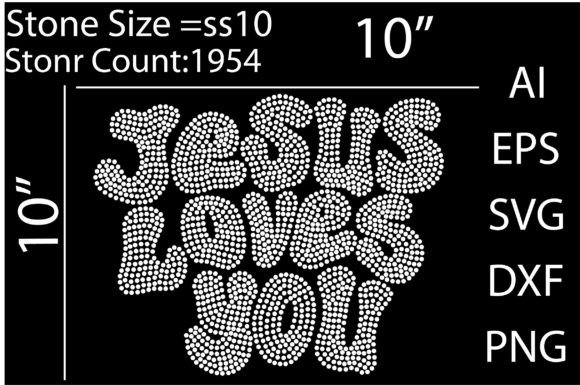
Rhinestone Templates Design
As an embroidery designer and product reviewer, I often find myself evaluating new designs with a critical eye, considering how they’ll perform in real-world projects. Rhinestone Templates Design caught my attention for its bold aesthetic and potential to elevate custom apparel, especially t-shirts. But before jumping into a project, I always ask: does this design hold up under real use? Let’s break it down.
The First Impression
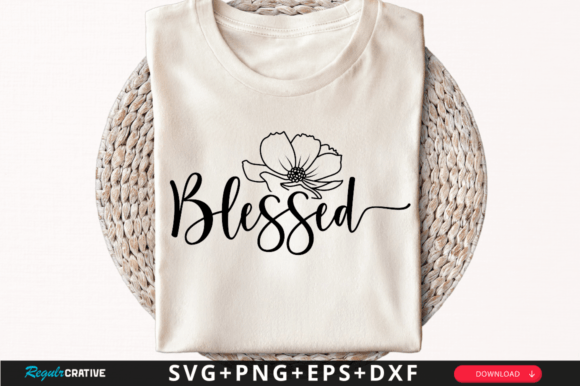
Rhinestone Templates Design immediately gives off a luxurious vibe. The shapes are clean, the layout is balanced, and the overall design feels modern yet timeless. It’s not overly complex, which makes it versatile for different applications. The visual personality leans toward elegance and sophistication, making it ideal for items like baby clothes, holiday gifts, or personalized accessories.
When I first saw the design, I imagined it on a tote bag or a sweatshirt—something that could be both functional and stylish. The level of detail is just right, not too intricate to cause issues during stitching but still eye-catching enough to stand out.
Real-Life Embroidery Performance
Using Rhinestone Templates Design in actual projects requires careful consideration. For custom apparel, such as t-shirts or sweatshirts, the design works well when placed on flat areas. However, it might struggle on curved surfaces like caps or hoods, where the stitch density and shape can become distorted.
On baby clothes, the design’s simplicity is a plus. It avoids overwhelming small garments while still adding a touch of class. For holiday embroidery, it’s a solid choice—think embroidered patches for winter sweaters or festive pillow covers. The design also has potential for commercial embroidery projects, especially when used on items like aprons or kitchen towels.
One thing to note is that the design doesn’t work as well on dark fabrics. The contrast between the rhinestones and the background isn’t as sharp, which can make the final product look less polished. That said, it performs better on lighter colors, where the details pop more clearly.
Where to Use with Caution
There are a few scenarios where Rhinestone Templates Design may not be the best fit. If you’re working with small hoop sizes, the design might require multiple hooping steps, which can be time-consuming and increase the risk of misalignment. Similarly, on textured or stretchy fabrics, the stitches may not lay flat, leading to a less professional finish.
Thin or delicate fabrics can also be a challenge. The design’s stitch density is moderate, but without proper stabilizer, it may pucker or distort. This is especially true for items like baby clothes or lightweight t-shirts, where fabric integrity is crucial.
For layered garments or products that need frequent washing, the design’s durability should be tested. Rhinestone Templates Design is likely to hold up well with proper care, but if the design includes delicate elements like tiny lettering or intricate corners, those areas may wear out faster over time.
Impact on Visual Appeal and Value
Rhinestone Templates Design adds a premium feel to any finished product. Its clean lines and structured layout make it perfect for handmade products that aim to stand out on Etsy or at craft fairs. When used on custom apparel, it enhances the overall visual appeal, making the item more attractive to buyers looking for unique, high-quality designs.
From a business perspective, the design can boost product value. Customers are often willing to pay more for items that look professionally made, and Rhinestone Templates Design delivers that level of quality. It also helps with brand consistency, especially for boutique shops or small businesses that want to maintain a cohesive aesthetic across their offerings.
As a gift, the design has strong potential. Whether it’s a personalized pillow cover or a custom apron, the design’s elegance makes it suitable for weddings, holidays, or baby showers. It also contributes to buyer engagement by offering a visually appealing option that stands out from generic designs.
Practical Designer Notes
Before using Rhinestone Templates Design in a project, I always recommend testing it on scrap fabric. This helps identify any issues with stitch density, thread color contrast, or fabric compatibility. For example, if the design uses a light-colored thread on a dark fabric, the result may not be as striking as expected.
Checking the hoop size is another important step. If the design is too large for your machine’s hoop, you may need to split it into sections, which can complicate the process. Also, inspecting small details like corners or tiny lettering is crucial—these areas can be prone to errors during stitching.
Creating a black and white mockup can help visualize how the design will look on different fabric backgrounds. This is especially useful for digital product sellers who need to showcase the design in printable mockups or as part of their design assets.
Finally, always confirm the licensing terms before selling finished items or digital products. While Rhinestone Templates Design seems to be a versatile option, it’s essential to ensure it meets your specific needs for commercial use.
Final Thoughts
Rhinestone Templates Design is a solid choice for embroidery projects that prioritize style and clarity. It works best on flat, smooth surfaces and shines on lighter fabrics. While it has some limitations, its overall performance makes it a valuable addition to any designer’s collection.
Whether you’re an Etsy seller, a small shop owner, or a hobbyist, this design offers practical value and aesthetic appeal. Just remember to test it thoroughly and consider the fabric and project requirements before committing to a full production run.